Choosing the right diploma course for you
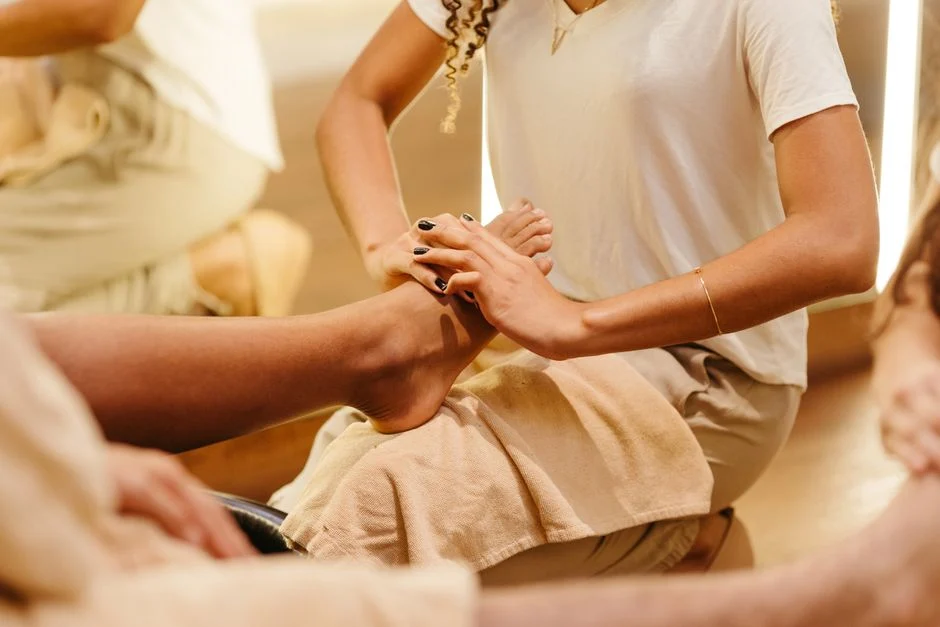
Training in a holistic therapy is a wonderful step, whether you hope to build a practice of your own or simply to deepen your knowledge and care for the people around you. With so many options, though, it can be hard to know where to begin.
This guide walks you through the questions worth asking before you book, from accreditation and insurance to case studies and assessment, so you can choose a course that truly prepares you for the work you want to do.
Follow what draws you
Start with your own heart. Do you love working with your hands, as in massage and reflexology, or are you more drawn to energy work such as Reiki? Are you fascinated by crystals, or by intuitive and spiritual development? There is no wrong answer, only the path that feels alive to you.
It also helps to be clear about why you are training. If you would like to see paying clients, you need a practitioner-level qualification. If you are learning for yourself and your family, a shorter workshop may be all you need, and you can always build on it later.
What to look for in a course
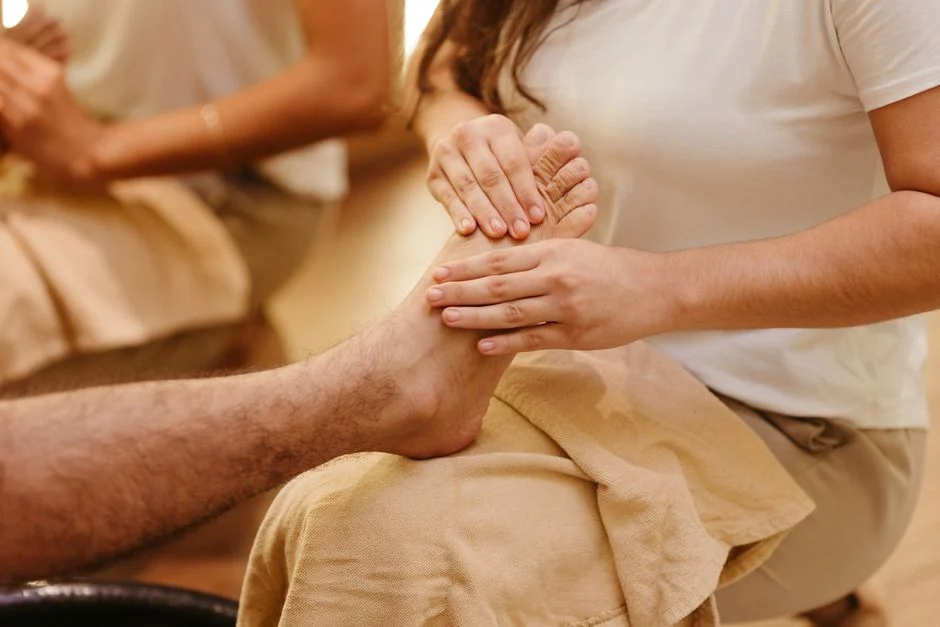
A good diploma course gives you far more than a certificate. It gives you genuine confidence, real hands-on experience, and a teacher who is there for you well beyond the final day.
- Accreditation, so you can gain practitioner insurance
- Small groups, for real, hands-on learning
- Full certification on successful completion
- Guidance on insurance and setting up in practice
- Warm, ongoing support and a community to return to
Why accreditation matters
Accreditation means an independent body has checked the course against a recognised standard. For you, it is the difference between a certificate that is lovely to frame and a qualification you can build a practice on. Insurers for holistic therapists generally want to see a recognised qualification before they will cover you to work with the public, so it is always worth asking who accredits a course, and checking with your chosen insurer, before you book.
For example, Debbie’s Indian Head Massage Practitioner Diploma is accredited by Professional Beauty Direct, and the course has been checked in alignment with the industry code of practice. Her Angelic Reiki training is taught under the Angelic Reiki Association.
Case studies and assessment
The days in the classroom are only part of a practitioner course. A well-designed diploma asks you to go away and practise on real people, then shows that you are ready through a proper assessment. It may sound daunting, but this is exactly what turns knowledge into confidence.
On the Indian Head Massage Practitioner Diploma, after the two days of training you complete case studies: three people, three times each, recording your findings. When they are done you arrange your assessment, which takes two hours and includes both a theory and a practical assessment. By the time you qualify, you have already given a good number of treatments and reflected on each one.
When you compare courses, look for this kind of structure. A course with no case studies or assessment may be a lovely introduction, but it is unlikely to be enough to work with clients.
Diploma, certificate or workshop?
The names can be confusing, so it helps to ask what each course actually leads to:
- A practitioner diploma is designed for people who want to offer the therapy as a practitioner, with case studies and assessment.
- A certificated workshop gives you a solid introduction, ideal for personal use or for deciding whether to go further.
- Energy work training, such as Reiki, is taught in levels. In Usui Reiki, Level 1 is for yourself, family and friends, and Level 2 is the step to practising with the public.
You can see the practitioner courses Debbie offers on the diplomas page, and every Reiki level, Usui and Angelic, on the Reiki courses in Weston-super-Mare page.
Questions to ask before you book
- Who accredits the course, and will my insurer recognise it?
- Are there case studies, and how many?
- How am I assessed, and is there a practical element?
- How big are the groups, and how much hands-on practice will I get?
- Is there a manual to take home?
- What support is there once the course has finished?
- How experienced is the teacher, both as a therapist and as a tutor?
Debbie has been a holistic therapist since 1997 and a teacher since 2001, and teaches in small groups at her home training space in Weston-super-Mare, so there is always time for your questions.
A word on what you can say to clients
Whichever therapy you choose, a good course will also teach you to work responsibly. Holistic therapies are complementary, not a replacement for medical care, and practitioners should never claim to treat or cure medical conditions. Clients should always be encouraged to keep seeing their GP. Learning this from the start protects both you and the people you care for.
If you are still unsure, do get in touch. A friendly, no-pressure chat is very often all it takes to find the right path for you. The fact that you are even considering it suggests a gift worth nurturing.
Questions
Is the Indian Head Massage Practitioner Diploma accredited?
Yes. It is accredited by Professional Beauty Direct. You complete case studies on three people, three times each, then a two-hour assessment with theory and practical parts.
Can I work with clients after a Reiki course?
Reiki Level 1 is for yourself, family and friends. Reiki Level 2 is the step to practising with members of the public and setting up as a practitioner.
Where are the courses held?
Courses are at 7 Whitecross Road, Weston-super-Mare. You book online and pick a date, and you can call Debbie on 07905 537118 with any questions first.
What if I need to change my course date?
More than 14 days before the course you can have a full refund or move free of charge. Between 7 and 14 days you can move free of charge. Under 7 days there is no refund, but you can send someone in your place.