What is Reiki and how can it help you?
Reiki is a gentle, hands-on energy practice that began in Japan in the early twentieth century and is now loved the world over. The word itself points to universal life energy, the quiet vitality that flows through every living thing. It is a beautifully simple practice, and you do not need to believe anything in particular to enjoy it or to find it relaxing.
If you have heard the word but are not quite sure what it means, or you are wondering whether a treatment or a course might be right for you, this guide covers the questions people ask most often.
What Reiki is, and what it is not
Reiki is a calm, non-invasive practice in which a trained practitioner channels energy through their hands while you rest. There is no massage, no manipulation and no pressure. It is not tied to any religion, and you do not have to share any particular belief system. People of every background enjoy it.
Just as importantly, Reiki is not a medical treatment. It is a complementary therapy, which means it sits alongside the care you receive from your GP and other health professionals, never in place of it. A good practitioner will never diagnose, will never ask you to stop any medication, and will always encourage you to keep seeing your doctor. If you have any health conditions, are pregnant or take medication, simply mention it before your session.
What happens in a Reiki session
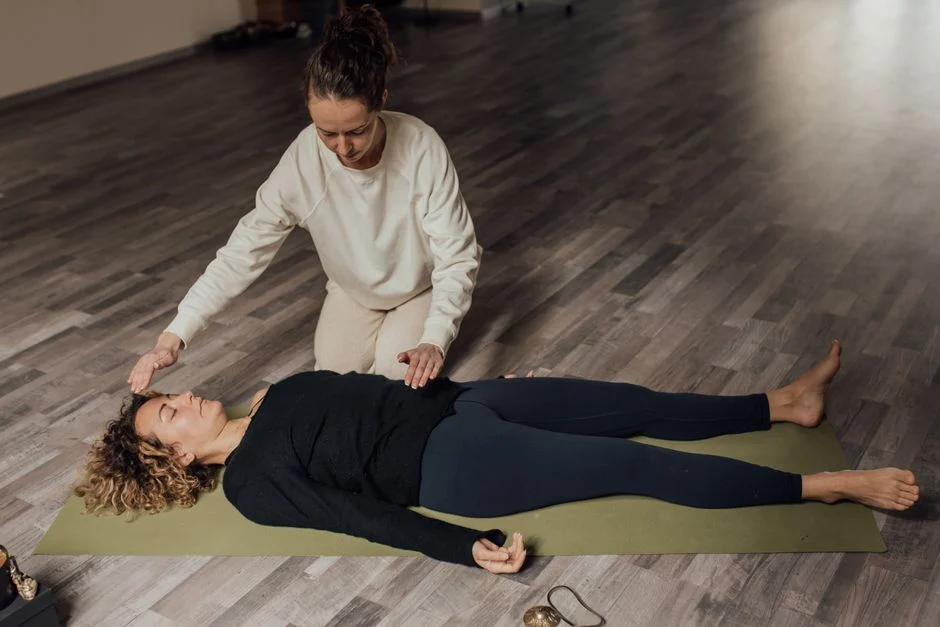
In a treatment you simply rest, fully clothed, while the practitioner places their hands lightly on or just above the body. There is nothing you need to do except be comfortable and receive. Many people drift into a deep, dreamy state somewhere between waking and sleep, and it is quite common to feel warmth, gentle tingling, or a wave of calm settling over you.
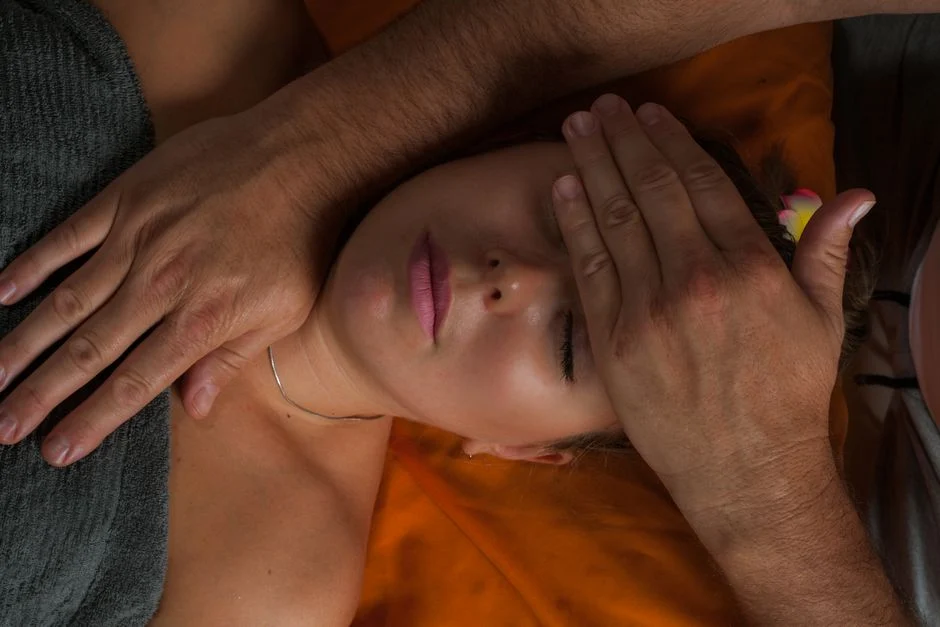
A session usually lasts around an hour. Afterwards you might feel softened and a little spacious, the way you do after a really good rest. It is a good idea to drink plenty of water and to give yourself a quiet moment before rushing back into the day.
What does Reiki feel like?
Everyone’s experience is a little different, and it can change from one session to the next. Some people notice heat in the practitioner’s hands, even where the hands are not touching. Others describe a soft tingling, a feeling of heaviness as the body lets go, or colours behind closed eyes. Some simply feel very relaxed and fall asleep, which is perfectly fine.
It is also completely normal to feel very little in the moment and then notice a calmer, lighter mood later in the day. There is no right or wrong way to receive Reiki. You do not have to concentrate or “do it properly”. You only need to lie back and rest.
Why people come to Reiki
People come to Reiki for all sorts of reasons. Some want a break from everyday stress and tension, some are looking for a calmer end to a busy week, and others simply long for an hour of stillness in a full life. Reiki makes no claim to cure anything. What it offers is a calm, restful space, and many people find that is exactly what they need.
- Deep relaxation and a pause from everyday stress
- A calmer, quieter mind
- A comforting sense of being cared for and supported
- A gentle space to pause, breathe and reset
Different kinds of Reiki
Usui Reiki, named after its founder Mikao Usui, is the original system and the one most people mean when they say “Reiki”. Over the years teachers have added their own developments. Holy Fire III is one of these, a refinement of Usui Reiki that many practitioners describe as especially gentle and loving. Debbie offers a Reiki Holy Fire 3 Healing treatment in Weston-super-Mare, and is also qualified in Tera-Mai Reiki Seichem.
Angelic Reiki is a separate system that works with the energy of the angelic kingdom. A session feels much the same to receive, but the practitioner works with the angels rather than from their own hands alone. If that appeals to you, an Angelic Reiki treatment is a lovely way to try it.
Choosing a Reiki practitioner
Because Reiki is so gentle, it is easy to assume any practitioner will do. It is still worth asking a few simple questions: what level of Reiki training they hold, how long they have been practising, and whether they are happy to answer your questions before you book. A good practitioner will make you feel comfortable, explain what will happen, and never make promises about medical outcomes. Debbie has been a holistic therapist since 1997 and a Reiki Master Teacher since 2013.
Can anyone learn Reiki?
Yes. The ability to channel Reiki is natural to everyone, and you do not need to be especially spiritual or sensitive to learn. Training is given in levels, each opened by an attunement from a Reiki Master Teacher.
- Reiki Level 1 is about self-healing. You learn to give Reiki to yourself, family and friends.
- Reiki Level 2 introduces the Reiki symbols and distant healing, and is the step to practising with members of the public.
- Reiki Master Level 3 deepens your own practice with the Master symbol, and the teacher training option prepares you to run your own courses.
The natural first step is Usui Reiki Level 1 & Holy Fire 3, and you can see every level, from beginner to Master Teacher, on the Reiki courses in Weston-super-Mare page.
If you are curious, the loveliest way to understand Reiki is to experience it. A single treatment is a beautiful place to begin, and you are always welcome to ask any questions beforehand.
Questions
Is Reiki a medical treatment?
No. Reiki is a complementary therapy, not a replacement for medical care. Please keep seeing your GP, and tell Debbie about any health conditions, pregnancy or medication before your session.
Do I need to undress for Reiki?
No. You stay fully clothed and simply rest while the practitioner’s hands are placed lightly on or just above the body.
Where are Reiki treatments held?
Treatments are at Debbie’s calm home training space at 7 Whitecross Road, Weston-super-Mare. You book online, and the time of your treatment is arranged with Debbie after booking.
Can I ask questions before I book?
Of course. Call Debbie on 07905 537118 and she will be happy to talk it through with you.